
Blogs
Pomeranian Puppies for Adoption in the USA & Canada
Sep
Pomeranian Puppies for Adoption: A Complete Guide for Families in the USA and Canada
Focus Keyphrase: Pomeranian Puppies for Adoption
SEO Title: Pomeranian Puppies for Adoption: A Guide for Families in the USA & Canada
Slug: pomeranian-puppies-for-adoption
Meta Description: Find out what to know before adopting Pomeranian puppies in the USA or Canada, including temperament, grooming, health, training, and preparation.
Pomeranian Puppies for Adoption: What Prospective Owners Should Know
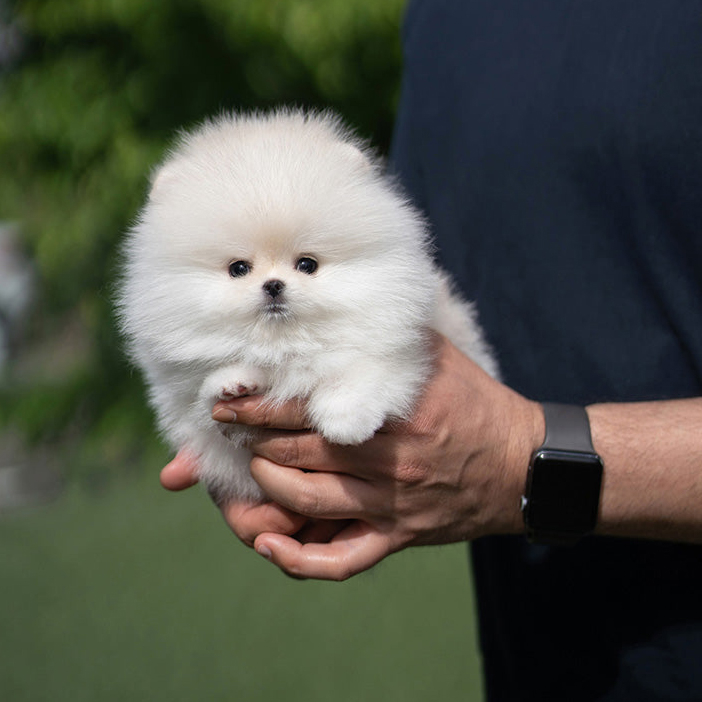
Few small dogs combine an impressive coat, lively personality, and compact size quite like the Pomeranian. Their fluffy appearance makes them especially appealing to people searching for a small companion, but choosing a puppy should involve much more than appearance.
For families searching for Pomeranian puppies for adoption in the United States or Canada, understanding the breed, evaluating a puppy’s health and temperament, and preparing for long-term care are important steps before bringing a new companion home.
Pomeranians are toy dogs recognized for their alert, curious, and lively personalities. The American Kennel Club lists the breed at approximately 3–7 pounds and 6–7 inches tall. Despite their small size, Pomeranians are active and intelligent dogs that benefit from training, socialization, companionship, and appropriate exercise.
This guide covers the practical considerations families should understand before adopting a Pomeranian puppy in the USA or Canada.
Understanding the Pomeranian
The Pomeranian is a small companion breed with a distinctive double coat and a confident personality. The breed standard describes the Pomeranian as an active, compact toy dog with an alert and inquisitive character.
Although Pomeranians are small enough to live comfortably in many apartments and urban homes, their size should not be mistaken for a lack of energy. They enjoy play, short walks, training, and interaction with their owners.
For prospective owners, this means that the right question is not simply whether a Pomeranian is small enough for your home. It is whether you can provide the attention, grooming, training, veterinary care, and companionship the puppy will need throughout its life.
Why Families Search for Pomeranian Puppies
Pomeranians appeal to many people because they can fit into a variety of household environments.
Their small size can be convenient for apartment living, while their playful nature can make them engaging companions. They can also form strong bonds with their owners and enjoy being involved in household activities.
However, every puppy has an individual temperament. Prospective owners should therefore evaluate the individual puppy rather than assuming every Pomeranian will behave exactly the same way.
If you are exploring different small breeds before making a decision, you can also browse the small-breed adoption options available through Teacup Puppies Official.
What to Look for When Adopting a Pomeranian Puppy
When considering Pomeranian puppies for adoption, start with information rather than appearance.
A photograph can show you what a puppy looks like, but it cannot tell you everything about the puppy’s health, temperament, background, or care requirements.
Before making an adoption decision, ask for information such as:
- The puppy’s age
- Current weight
- Veterinary examination records
- Vaccination history
- Deworming history
- Microchip information, where applicable
- Current diet
- Temperament and behavior
- Information about the puppy’s parents, where available
- Adoption or sales documentation
- Any known health concerns
A responsible adoption process should allow prospective owners to ask reasonable questions and understand what they are committing to.
Pomeranian Temperament and Personality
Pomeranians are often described as lively, curious, intelligent, and affectionate. The AKC notes that they can make good companions for a variety of owners and can enjoy activities ranging from short walks to training and games.
At the puppy stage, however, personality is still developing.
One puppy may be particularly outgoing, while another may be more cautious in unfamiliar situations. When possible, ask about how the puppy behaves around people, other animals, household sounds, handling, and new environments.
This information can help families choose a puppy whose needs and personality are compatible with their household.
Are Pomeranians Suitable for Families With Children?
A Pomeranian can be part of a family household, but its small size requires responsible handling.
Young children should be taught that a puppy is a living animal rather than a toy. Rough handling, dropping, chasing, or picking up a small puppy incorrectly can result in injury.
The AKC specifically notes that Pomeranians can be better suited to families with older children who understand how to interact appropriately with a small dog.
Parents should supervise interactions between young children and puppies and teach children to respect the dog’s sleeping, eating, and resting areas.
Grooming a Pomeranian Puppy
The Pomeranian’s fluffy double coat is one of its most recognizable features, but maintaining that coat requires regular care.
The AKC recommends frequent brushing to help maintain the coat and prevent matting. Professional grooming can also be useful for owners who are not comfortable handling the breed’s coat themselves.
PetMD’s veterinary-reviewed guidance similarly recommends consistent brushing and professional grooming when appropriate.
A Pomeranian grooming routine can include:
- Regular brushing
- Nail trimming
- Ear care
- Dental care
- Bathing when appropriate
- Professional grooming when needed
Starting gentle grooming routines while your puppy is young can help the dog become comfortable with being handled.
Pomeranian Dental Care
Dental hygiene deserves particular attention in small dogs.
Rather than waiting until dental problems appear, owners should discuss an appropriate dental-care routine with their veterinarian. Regular tooth brushing, veterinary examinations, and appropriate dental-care products can become part of the dog’s routine.
Introducing these habits while the puppy is young can make future care easier.
Training Your Pomeranian Puppy
Small does not mean untrainable.
Pomeranians are intelligent and can learn commands, household routines, tricks, and other behaviors. The AKC recommends early training and socialization and notes that positive reinforcement can work well with the breed.
Begin with simple commands such as:
- Sit
- Stay
- Come
- Leave it
- Down
Training sessions should be short, consistent, and positive.
House training may require patience. Establishing a predictable bathroom routine and rewarding appropriate behavior can help your puppy understand what is expected.
Socialization Matters
Early socialization is an important part of raising a confident dog.
A young Pomeranian should gradually become familiar with appropriate people, household sounds, surfaces, handling, and safe environments. Veterinary guidance should be considered when determining which public environments and dog interactions are appropriate for a puppy that has not completed its vaccination schedule.
PetMD also emphasizes socialization and positive-reinforcement training as important parts of Pomeranian puppy development.
The goal is not to expose a puppy to everything at once. Instead, introduce new experiences gradually and positively.
Pomeranian Health Considerations
Responsible puppy adoption includes discussing health rather than focusing exclusively on appearance.
The AKC identifies several health conditions that responsible breeders may screen for in Pomeranians, including patellar problems, cardiac conditions, and eye conditions.
Prospective owners should ask what veterinary examinations and health screening have been performed and request documentation where available.
A puppy’s health history should be considered alongside temperament, age, vaccination status, and the overall quality of the adoption process.
Feeding a Pomeranian Puppy
Puppies require nutrition appropriate for their age, size, and developmental stage.
Rather than choosing food based solely on advertising or breed-specific labels, discuss your puppy’s nutritional needs with a veterinarian. The AKC recommends an age-appropriate diet and notes that calorie intake and weight should be monitored.
When bringing a puppy home, ask what food the puppy has already been eating. Maintaining the existing diet initially can make the transition easier, while any change can be made gradually with appropriate guidance.
Fresh water should always be available.
Preparing Your Home Before the Puppy Arrives
Preparation can make the first few days considerably easier.
Before your Pomeranian arrives, prepare:
- A comfortable sleeping area
- Food and water bowls
- Appropriate puppy food
- A secure crate or playpen
- A collar and identification
- A properly fitted harness and leash
- Safe toys
- Grooming supplies
- Cleaning supplies
- Puppy-proofed areas
Because Pomeranians are very small, household hazards that might not concern an owner of a larger dog can become significant risks.
Keep medications, cleaning products, electrical cords, small objects, and unsafe foods out of the puppy’s reach.
Pomeranians in Apartments and Urban Homes
One reason people in cities across the USA and Canada consider Pomeranians is their compact size.
A large backyard is not necessarily required for this breed. Pomeranians can receive exercise through short walks, indoor play, and mental stimulation. The AKC notes that the breed can be comfortable in both city and suburban environments.
However, apartment living does not eliminate the need for exercise and training.
Owners should also pay attention to barking, because Pomeranians can be alert and vocal. Early training and appropriate mental stimulation can help establish good household habits.
Finding Pomeranian Puppies in the USA and Canada
When searching online for Pomeranian puppies for adoption, prospective owners should consider more than location.
Whether you are in California, Texas, Florida, New York, Ontario, British Columbia, Alberta, Quebec, or another region, ask the same fundamental questions about health, documentation, temperament, and the adoption process.
Avoid making a decision solely because a puppy is nearby or because a listing appears inexpensive.
Instead, look for clear information, transparent communication, appropriate documentation, and a process that allows you to understand the puppy’s needs before committing.
For readers exploring small-breed puppies and adoption information, Teacup Puppies Official can serve as an internal resource for browsing available puppies and related information.
Questions to Ask Before Adopting
Before committing to a Pomeranian puppy, consider asking:
How old is the puppy?
Age matters because puppies have different developmental, vaccination, feeding, and socialization needs.
Has the puppy been examined by a veterinarian?
Ask what examination was performed and whether records are available.
Which vaccinations has the puppy received?
Request dates and documentation rather than relying only on a verbal statement.
Has the puppy been dewormed?
Ask when treatment was given and whether additional treatment is recommended.
What food is the puppy eating?
Knowing the existing diet can help you plan the transition home.
What is the puppy’s temperament like?
Ask how the puppy behaves around people, other animals, handling, and unfamiliar situations.
What documentation is included?
Understand exactly what records and agreements you will receive.
What happens after adoption?
Ask whether there is a point of contact for questions about the puppy’s transition and care.
Important Considerations for Canadian and U.S. Buyers
If a puppy will cross an international border, buyers should check the applicable government requirements before making travel or delivery arrangements.
For dogs entering the United States, CDC requirements depend on where the dog has been during the previous six months, where it was vaccinated, and other circumstances. The CDC currently requires a CDC Dog Import Form receipt for dogs entering the U.S., with additional requirements applying to dogs from high-risk rabies countries.
Canada also has its own import requirements, and requirements can differ according to the dog’s age, origin, purpose, and circumstances. The Canadian Food Inspection Agency advises owners to verify the current requirements before travel.
This is particularly important for international puppy transactions. Do not rely on a seller’s shipping statement alone. Confirm the current government requirements that apply to your specific situation before arranging transportation.
How to Choose the Right Pomeranian Puppy
Choosing a puppy should be based on several factors rather than one characteristic.
Consider:
Health: Is appropriate veterinary information available?
Temperament: Does the puppy’s personality appear compatible with your household?
Age: Is the puppy at an appropriate stage for the planned transition?
Care requirements: Are you prepared for grooming, training, exercise, and veterinary care?
Documentation: Are the available records and adoption terms clear?
Lifestyle: Can your household provide consistent attention and supervision?
These considerations can help you approach adoption responsibly and with realistic expectations.
Bringing Your Pomeranian Home
The first few days should focus on safety, routine, and adjustment.
Your puppy may need time to become comfortable with unfamiliar people, sounds, smells, and surroundings.
Create a quiet area where the puppy can rest. Establish regular feeding and bathroom routines, introduce household members gradually, and avoid overwhelming the puppy with too many new experiences immediately.
Continue training and socialization at an appropriate pace.
Most importantly, remember that your puppy is entering an entirely new environment. Patience during this transition can help establish trust.
Final Thoughts
Finding Pomeranian puppies for adoption can be an exciting experience for families throughout the USA and Canada, but responsible adoption starts with good information.
The Pomeranian’s small size, lively personality, and distinctive coat make the breed appealing to many prospective owners. At the same time, these dogs require regular grooming, appropriate nutrition, veterinary care, training, socialization, exercise, and daily companionship.
Before choosing a puppy, investigate the puppy’s health history, temperament, documentation, and care requirements. Prepare your home in advance and make sure your household is ready for the long-term responsibility of dog ownership.
For readers continuing their search for small-breed puppies, you can explore Teacup Puppies Official and use the available information to learn more about adoption options.
The goal should be a well-informed adoption in which the puppy’s welfare and the family’s ability to provide appropriate lifelong care are both considered.
