
Uncategorized
Teacup Puppy Dental Care: A Practical Guide to Healthy Teeth and Gums
Nov
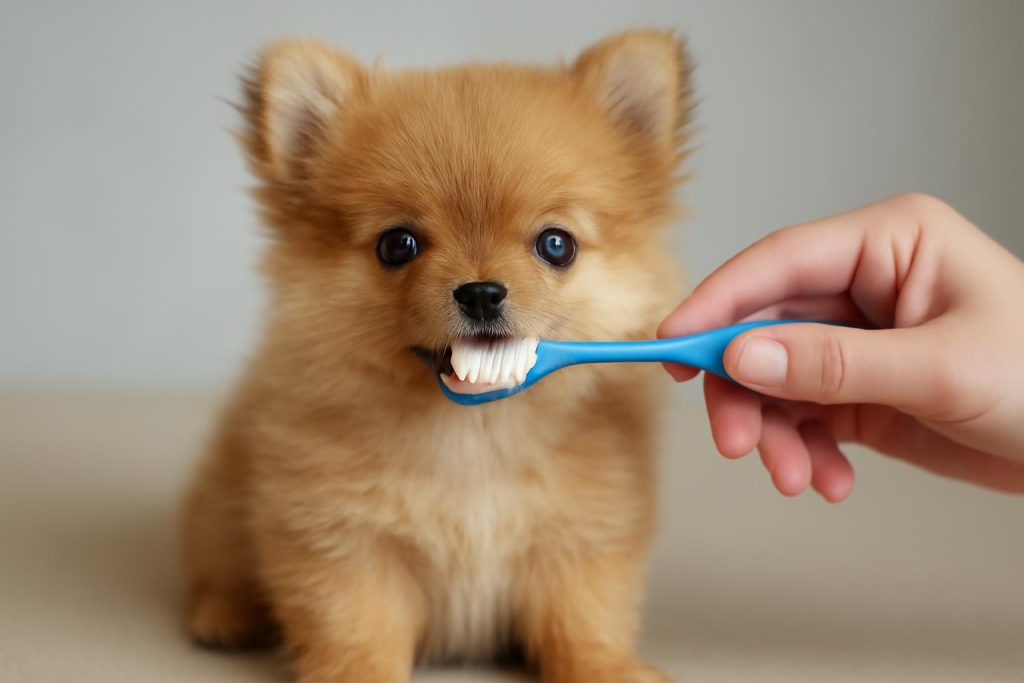
Teacup puppy dental care is an important part of raising a healthy small dog. Tiny breeds may have crowded teeth, narrow mouths, and limited space between their teeth, which can allow plaque and food debris to build up quickly. A consistent home routine, combined with professional veterinary care, can help protect your puppy’s teeth and gums as they grow.
Dental care should not be treated as a cosmetic concern. Oral discomfort can affect eating, sleep, play, and overall quality of life. The goal is to introduce gentle habits early so your puppy learns that mouth handling is normal and safe.
This guide explains how to care for a teacup puppy’s teeth, what products to use, which warning signs deserve attention, and how grooming fits into a complete small-dog wellness routine. If you are still preparing for your new companion, our home page provides an overview of the small breeds and puppy resources available from Teacup Puppies Official.
Why dental care matters for teacup puppies
All puppies need dental care, but very small dogs can require extra attention. Their adult teeth may be large in proportion to their jaw, creating crowding or areas that are difficult to clean. Baby teeth can also remain in place after adult teeth begin to emerge, particularly in toy breeds.
When plaque is not removed, it can harden into tartar. This may contribute to irritated gums, unpleasant breath, periodontal disease, and loose or damaged teeth. Dental disease can progress quietly, so a puppy may continue acting normally even when the mouth is uncomfortable.
Good oral hygiene does not guarantee that every dental problem will be prevented. Genetics, jaw structure, diet, retained baby teeth, and individual health all play a role. However, daily brushing and regular veterinary examinations give your puppy the best foundation.
When should you start brushing a tiny puppy’s teeth?
You can begin introducing mouth handling as soon as your puppy is settled and comfortable in the home. At first, the objective is not a perfect brushing session. It is simply to create a calm association with having the lips, gums, and teeth touched.
A gradual introduction
- Touch the face gently: During a relaxed moment, stroke your puppy’s cheeks and lift the lips briefly.
- Handle the gums: Use a clean finger to touch the outside of the gums for one or two seconds.
- Introduce a canine toothbrush: Let your puppy sniff and lick a soft-bristled pet toothbrush.
- Add veterinary toothpaste: Place a small amount on the brush and allow your puppy to taste it.
- Brush a few teeth: Use gentle circular motions on the outer surfaces, then gradually increase the time.
Keep early sessions short and positive. A few seconds of cooperation is more useful than forcing a long session that makes your puppy fearful. Praise calmly, offer a suitable reward, and stop before your puppy becomes overwhelmed.
How to brush a teacup puppy’s teeth
Use a toothbrush designed for puppies or small dogs. A very soft brush with a small head is usually easier to control than a large human toothbrush. Finger brushes may be convenient, but they should be used carefully because a puppy can bite down unexpectedly.
Only use toothpaste made for dogs. Human toothpaste may contain ingredients that are unsafe for pets if swallowed, including some sweeteners. Pet toothpaste is commonly available in flavors designed to be appealing to dogs, but your veterinarian can help you choose an appropriate product.
Simple brushing technique
- Choose a quiet time when your puppy is relaxed rather than excited.
- Lift the lips gently instead of forcing the mouth open.
- Concentrate first on the outer surfaces of the teeth, where plaque commonly accumulates.
- Use light pressure, especially around the gumline.
- Do not scrub aggressively or attempt to scrape tartar at home.
- Finish with praise and a calm reward.
Daily brushing is ideal, but consistency matters more than perfection. If your puppy will not tolerate daily brushing immediately, begin with several short sessions each week and work toward a daily routine.
Choosing safe dental chews and toys
Dental chews and toys can complement brushing, but they should not replace it. For a teacup puppy, the item must be small enough to use comfortably but large enough that it cannot be swallowed whole.
Avoid extremely hard objects such as antlers, hard bones, rocks, and very rigid nylon products. These may damage fragile puppy teeth. Also avoid toys with detachable pieces, loose strings, or small components that could become choking hazards.
Look for products labeled for puppies or small breeds, and supervise every chewing session. Inspect toys regularly and replace them when they become cracked, worn, or small enough to fit entirely in your puppy’s mouth. If a chew causes vomiting, diarrhea, mouth bleeding, or unusual discomfort, remove it and contact your veterinarian.
Teething and retained baby teeth
Teething can make a puppy’s mouth tender. You may notice increased chewing, mild drooling, or temporary reluctance to eat harder food. Offering safe, puppy-appropriate chew toys can provide comfort, but avoid giving anything frozen or excessively hard unless your veterinarian recommends it.
One concern in tiny breeds is a retained baby tooth. This occurs when an adult tooth emerges while the corresponding baby tooth remains. The two teeth can sit close together, trapping food and making cleaning difficult. Retained teeth are especially common around the canine teeth, although any tooth may be affected.
Do not try to pull out a baby tooth yourself. Your veterinarian should examine the mouth and decide whether monitoring or treatment is appropriate. Early attention can help reduce crowding and protect the surrounding gums.
Signs your teacup puppy may have a dental problem
Contact a veterinarian if you notice any of the following signs:
- Persistent bad breath that does not improve with routine cleaning
- Red, swollen, or bleeding gums
- Brown or yellow buildup on the teeth
- Loose, broken, or discolored teeth
- Difficulty chewing or dropping food
- Chewing only on one side of the mouth
- Pawing at the face or rubbing the mouth
- Excessive drooling
- Facial swelling or sensitivity around the mouth
- Reduced appetite, lethargy, or a sudden change in behavior
Facial swelling, significant bleeding, inability to eat, or severe pain should be treated as urgent concerns. A tiny puppy can become dehydrated or weak more quickly than a larger dog, so do not delay professional advice when symptoms are pronounced.
Professional dental care for a small dog
Your veterinarian should examine your puppy’s mouth during routine visits. These examinations allow the veterinary team to monitor tooth development, identify retained baby teeth, and assess the gums before a problem becomes advanced.
Some dogs eventually need a professional dental cleaning under anesthesia. The timing depends on the puppy’s mouth, age, health, and examination findings. Anesthesia decisions should be individualized by a veterinarian after reviewing the dog’s medical history and conducting an appropriate pre-anesthetic assessment.
Never attempt to remove tartar with household tools. Scraping can injure the gums, damage enamel, or leave rough areas where plaque collects more easily. Professional care is safer and allows the veterinary team to evaluate areas below the gumline that cannot be seen during a home brushing session.
How grooming supports oral health
Dental care works best as part of a regular grooming and handling routine. While brushing your puppy’s coat, gently check the face, lips, and chin for moisture, food debris, or skin irritation. Long facial hair can become dirty around the mouth, especially in breeds such as Maltese, Yorkies, Poodles, and Shih Tzus.
Use only grooming products intended for dogs and avoid getting shampoo or cleaning solutions in the mouth. If facial hair repeatedly mats near the lips, ask a professional groomer or veterinarian about a safe trim. Keeping the area clean can make brushing easier and help you notice changes sooner.
When considering a small-breed puppy, it is also useful to learn about the puppy’s health records, feeding routine, and handling history. Our about page offers more information about the organization and its approach to connecting families with small companions.
A practical teacup puppy dental care routine
Every day
- Check your puppy’s mouth briefly during a calm handling session.
- Brush the teeth with a soft pet toothbrush and dog-safe toothpaste.
- Provide supervised access to an appropriate puppy chew toy.
- Notice changes in breath, appetite, chewing, or behavior.
Every week
- Inspect toys for damage and discard unsafe items.
- Look for retained baby teeth, unusual redness, or visible buildup.
- Wash food and water bowls thoroughly.
- Review whether the current brush size and technique are comfortable for your puppy.
At veterinary visits
- Ask the veterinarian to assess tooth development and gum health.
- Discuss any persistent breath odor or chewing changes.
- Ask when your puppy may need a professional dental evaluation.
- Request product guidance if your puppy has a sensitive mouth or special dietary needs.
Frequently asked questions
How often should I brush my teacup puppy’s teeth?
Daily brushing is the preferred goal because plaque can accumulate quickly. If your puppy is still learning, start with brief sessions several times per week and gradually build toward daily care.
Can I use human toothpaste on my puppy?
No. Use toothpaste formulated for dogs. Puppies swallow toothpaste, and some human products contain ingredients that may be harmful to pets.
Are dental treats safe for teacup puppies?
Some are appropriate, but the product must match your puppy’s age, size, chewing ability, and health needs. Supervise use and ask your veterinarian before introducing a new dental treat.
Why does my puppy have bad breath?
Mild odor can occur during teething, but persistent or strong bad breath may indicate plaque, gum irritation, a retained tooth, or another health issue. A veterinary examination is the safest way to determine the cause.
What if my puppy refuses tooth brushing?
Return to an earlier step, such as touching the lips or allowing the puppy to lick toothpaste from your finger. Keep sessions brief and reward calm behavior. Never force the mouth open or punish resistance.
Building a healthier start
Teacup puppy dental care is easiest when it becomes part of everyday life rather than an occasional task. Gentle handling, dog-safe toothpaste, appropriate toys, careful grooming, and regular veterinary examinations can work together to protect a tiny puppy’s developing mouth.
Before bringing home a puppy, make sure you understand the care routine, health documentation, and support available from the seller or breeder. Our how-to-buy information can help prospective families think through the process responsibly.
Because every puppy is different, use this guide as general education rather than a substitute for veterinary advice. If you see pain, swelling, bleeding, difficulty eating, or a sudden behavior change, contact a qualified veterinarian promptly.
