
Uncategorized
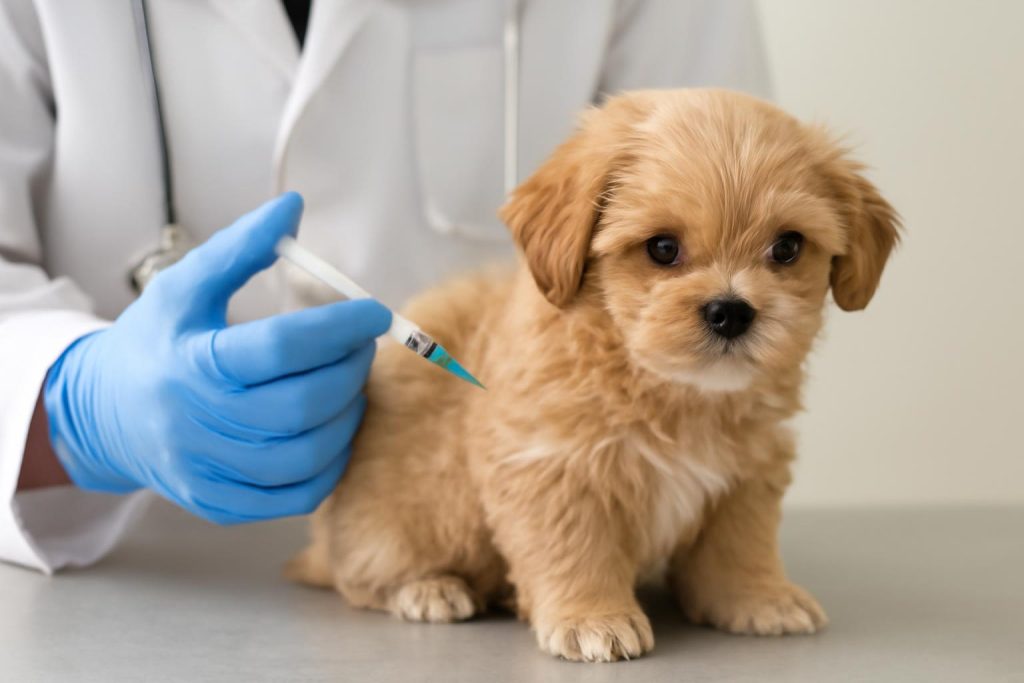
Toy Breed Puppy Vaccination and Parasite Prevention: A Practical U.S. Safety Guide
Oct
Bringing home a teacup or toy breed puppy is exciting, but very small dogs need thoughtful preventive care from the beginning. Their small bodies can become dehydrated or weakened quickly when they are sick, and their developing immune systems need protection from contagious diseases and parasites.
A reliable routine includes veterinary examinations, age-appropriate vaccinations, parasite screening, preventive medication, appropriate nutrition, and controlled socialization. This guide explains what U.S. puppy owners should discuss with a veterinarian and how to create a practical plan for the first year.
Before choosing supplies or arranging pickup, review the Teacup Puppies Official home page and prepare a written list of questions about the puppy’s medical history, current food, vaccination dates, deworming records, and expected adult size.
Why preventive care matters for tiny puppies
Teacup is a marketing term rather than a separate breed classification. It may describe very small individuals from breeds such as the Chihuahua, Maltese, Pomeranian, Yorkshire Terrier, Toy Poodle, or Shih Tzu. Regardless of the label, a puppy’s health plan should be based on age, weight, breed, medical history, lifestyle, and local disease risks.
Small puppies can be vulnerable to low blood sugar, chilling, dehydration, intestinal parasites, and infectious disease. That does not mean every tiny puppy will develop a serious problem, but it does mean owners should not wait several days when a puppy appears unwell.
Preventive care is also more than a series of injections. A veterinarian should assess weight gain, heart and lungs, eyes, ears, teeth, joints, hydration, stool quality, and behavior. These visits create opportunities to identify concerns before they become emergencies.
A practical vaccination timeline for toy breed puppies
Most puppies begin their core vaccination series during early puppyhood and receive repeat doses at intervals recommended by their veterinarian. The exact schedule can vary based on the puppy’s age at adoption, previous records, vaccine product, local regulations, and exposure risk.
At the first veterinary visit
Schedule an examination soon after bringing the puppy home. Bring all records supplied by the breeder, rescue organization, or previous caregiver. If records are incomplete or unclear, the veterinarian may recommend a revised plan rather than assuming that a vaccine was given.
The first visit commonly includes:
- A complete physical examination and accurate weight measurement.
- Review of vaccination and deworming records.
- A fecal test or discussion of intestinal parasite screening.
- Advice about nutrition, feeding frequency, and safe activity.
- A discussion of core and lifestyle-based vaccines.
- Guidance about flea, tick, heartworm, and intestinal parasite prevention.
Ask the veterinarian to write down the date of the next appointment. Tiny puppies should not be considered fully protected simply because they have received one vaccine. Until the initial series is complete and the veterinarian provides guidance, avoid high-risk environments where many unknown dogs gather.
Core vaccines and lifestyle vaccines
Core vaccines protect against diseases considered important for most dogs. Depending on the puppy’s age and records, the veterinarian may recommend a combination vaccine covering serious viral illnesses. Rabies vaccination is required by law in many U.S. jurisdictions, with timing determined by state or local rules.
Other vaccines may be recommended according to lifestyle and geography. For example, a puppy that will attend daycare, visit boarding facilities, hike in wooded areas, or spend time around many dogs may have different risks from a puppy living in an apartment with limited outdoor exposure.
Do not select or postpone vaccines based solely on online advice. A very small puppy still needs appropriate protection, but the veterinarian may consider body condition, illness, previous reactions, and timing when planning each appointment.
Parasite prevention for a teacup puppy
Parasites can affect puppies even when they live indoors. Intestinal worms may be transmitted through contaminated soil, feces, wildlife, fleas, or an infected mother. Fleas can cause skin irritation and, in heavy infestations, contribute to anemia. Mosquitoes can transmit heartworm disease, while ticks may spread infections in many parts of the United States.
Intestinal worms
Common intestinal parasites include roundworms, hookworms, whipworms, and certain protozoa. Some can cause diarrhea, vomiting, poor growth, anemia, or a dull coat. Puppies may carry parasites without obvious symptoms, which is why fecal testing and preventive care are important.
Signs that warrant a prompt veterinary call include persistent diarrhea, blood or black stool, repeated vomiting, a swollen abdomen, pale gums, weakness, loss of appetite, or failure to gain weight. Never give an over-the-counter dewormer without professional guidance. Products vary, and dosing a very small puppy incorrectly can be dangerous.
Fleas and ticks
Inspect your puppy regularly, especially after outdoor activity. Check the neck, armpits, groin, belly, and spaces between the toes. Flea dirt may look like tiny dark grains, while ticks may feel like small bumps attached to the skin.
Ask the veterinarian which product is suitable for the puppy’s current weight and age. Some products are not approved for very young or very small dogs, and a dose intended for a larger dog must never be divided unless a veterinarian specifically instructs you to do so.
Heartworm prevention
Heartworm disease is transmitted by mosquitoes and can cause severe damage to a dog’s heart and lungs. Prevention is generally easier, safer, and less expensive than treatment. Your veterinarian can explain when to begin prevention, whether testing is needed, and which formulation is appropriate for a small puppy.
Keep a record of the product name, dose, administration date, and puppy weight. Recheck the weight before refilling medication because a growing toy breed puppy may move into a different dosing range quickly.
How to safely socialize a puppy before the vaccine series is complete
Vaccination and socialization should happen together, not one after the other. The early months are an important learning period, but socialization does not require taking a vulnerable puppy to a crowded dog park.
Safer options may include:
- Meeting healthy, vaccinated dogs known to your family.
- Visiting a clean private yard that is not used by unknown animals.
- Riding in a secured carrier while observing neighborhood activity.
- Hearing household sounds such as vacuum cleaners, doorbells, and kitchen appliances at a comfortable volume.
- Practicing gentle handling of paws, ears, mouth, coat, and tail.
- Attending a well-managed puppy class after discussing timing with your veterinarian.
Watch the puppy’s body language. Trembling, hiding, freezing, frantic escape attempts, or repeated yawning may indicate that an experience is too intense. End the session calmly and try a shorter, easier version later.
Nutrition, hydration, and monitoring at home
Preventive care works best when a puppy receives consistent nutrition. Feed a complete puppy diet recommended for the puppy’s size and life stage. Very small puppies often need several small meals rather than one or two large meals, but the correct schedule depends on age, weight, breed, activity, and health.
Ask the veterinarian how much to feed and how often. Use a kitchen scale when practical, and monitor body condition rather than relying only on package charts. Avoid sudden food changes, table scraps, and unapproved supplements.
Fresh water should be available unless a veterinarian gives different instructions for a specific medical reason. Record appetite, stool quality, energy, and weight during the first weeks. A simple daily log can help you identify changes early and provide useful information during appointments.
Low blood sugar can be a concern in exceptionally small or young puppies. Weakness, unusual sleepiness, wobbliness, confusion, tremors, collapse, or refusal to eat require immediate veterinary advice. Do not attempt to manage repeated episodes at home without identifying the underlying cause.
What to ask a breeder about health records
Responsible sellers should be willing to provide clear, consistent information. Before paying a deposit or arranging transport, ask:
- What is the puppy’s exact date of birth?
- Which vaccines were given, on what dates, and by whom?
- When was the puppy dewormed, and what product was used?
- Has a veterinarian examined the puppy?
- Are vaccination certificates and medical records available?
- What food is the puppy eating, and how many meals are offered daily?
- What are the health histories of the parents?
- What happens if the puppy becomes ill shortly after placement?
- Can you speak with the breeder by video and see the puppy’s living environment?
Be cautious if someone refuses to provide records, pressures you to pay immediately, promises a guaranteed adult weight, or describes extreme smallness as the main health benefit. A puppy’s welfare should come before a particular size or color.
For general preparation and purchasing questions, the site’s available puppy listings can help you review the types of small breeds represented. Use any listing as a starting point for questions, not as a substitute for medical records or an independent veterinary examination.
When a tiny puppy needs urgent veterinary attention
Contact a veterinarian promptly if your puppy has repeated vomiting or diarrhea, refuses multiple meals, has difficulty breathing, develops pale or blue-tinged gums, collapses, cannot stand normally, has a seizure, becomes unusually quiet, or shows signs of severe pain.
Because small puppies can deteriorate quickly, it is better to call early and describe the symptoms, timing, weight, food intake, stool, medications, and recent exposures. Keep the puppy warm during transport without overheating, and bring medication packaging and health records.
Keeping a simple preventive-care calendar
Create one calendar for appointments, vaccine boosters, fecal testing, parasite prevention, grooming, nail trims, and weight checks. Store digital copies of records and keep the veterinary clinic’s regular and emergency contact details accessible.
Review the plan whenever the puppy moves, travels, starts daycare, changes food, reaches a new weight range, or develops a health condition. Local risks and legal requirements can differ across the United States, so a regional veterinary professional should guide the final schedule.
You can also use the Teacup Puppies Official blog archive to continue learning about responsible puppy preparation, daily care, and small-dog ownership.
Frequently asked questions
Can a teacup puppy receive vaccines safely?
Yes, many small puppies are vaccinated safely when a veterinarian evaluates them and selects an appropriate schedule. Size alone is not a reason to skip protection, but illness, poor condition, previous reactions, and incomplete records should be discussed before vaccination.
How often should a toy breed puppy receive parasite prevention?
The interval depends on the specific medication, the puppy’s age and weight, local risks, and veterinary recommendations. Follow the product label and clinic instructions exactly, and never use a product made for another species or weight range.
Should I wait until all vaccines are complete before socializing my puppy?
No. Ask your veterinarian how to socialize safely while the vaccine series is in progress. Controlled exposure to people, sounds, handling, and healthy vaccinated dogs can support development without exposing the puppy to high-risk public areas.
What is the most important health habit for a new teacup puppy owner?
Arrange an early veterinary examination and keep accurate records. A consistent routine for meals, weight monitoring, vaccinations, parasite prevention, and safe socialization gives your puppy the strongest foundation for a healthy first year.
Important: This article is educational and does not replace veterinary care. Your puppy’s veterinarian should make final decisions about vaccinations, parasite prevention, nutrition, and emergency treatment.
