
Uncategorized
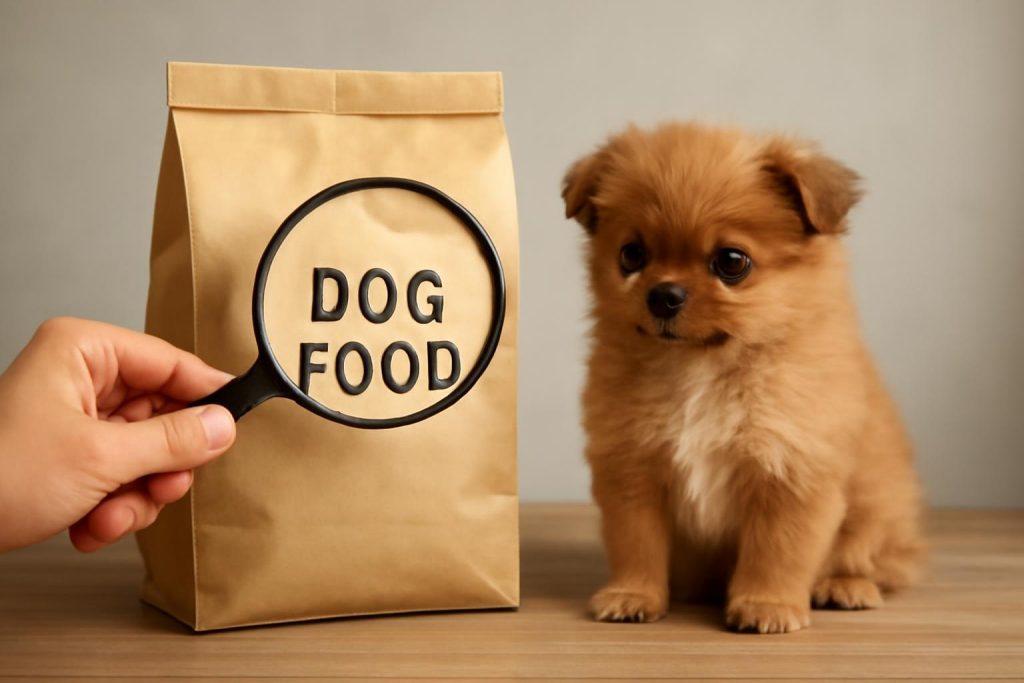
How to Check Dog Food Recalls and Keep a Teacup Puppy Safe
Oct
Because teacup puppies have very small bodies, even a minor feeding mistake can have a greater impact than it would on a larger dog. Food contamination, spoiled treats, sudden diet changes, and misleading product labels all deserve careful attention. Learning how to check dog food recalls is one of the simplest ways to make your puppy’s daily routine safer.
Nationwide recalls involving meat and poultry often remind pet owners to review the foods, treats, chews, and toppers stored at home. However, a recall involving food for people does not automatically mean a pet food product is affected. The important step is to identify the exact product, manufacturer, lot code, and expiration information before deciding what to do.
This guide explains how to monitor recall alerts, inspect a package, protect a tiny puppy from recalled food, and recognize when veterinary advice is needed.
Why recall awareness matters for teacup puppies
Teacup is a marketing term rather than a separate breed classification, but very small toy-breed puppies may be more vulnerable to dehydration, low blood sugar, digestive upset, and rapid changes in condition. A puppy that refuses several meals or develops vomiting and diarrhea can become unwell quickly.
Food recalls may involve bacterial contamination, foreign objects, undeclared allergens, mold, incorrect ingredients, or problems with packaging. Some issues create an immediate danger, while others affect only specific lots. That is why throwing away every product from a brand is usually unnecessary; checking the recall details is more useful.
Recall awareness should be part of normal puppy care, not a reason to panic. Keep your puppy’s meals consistent, save the original packaging, and make a habit of checking safety notices periodically.
How to check dog food recalls step by step
1. Start with the exact product information
Before searching for a recall, collect the details printed on the package. You may need:
- Brand and product name
- Food type, such as dry food, canned food, freeze-dried food, or treats
- Bag or container size
- Lot number or production code
- Best-by, sell-by, or expiration date
- UPC or barcode number
Take a clear photo of the label if the printing is difficult to read. The lot code is often printed on the bottom of a can, along a sealed edge, or on the back or side of a bag. Do not rely only on the product name because several formulas may use similar packaging.
2. Check official recall announcements
Use current notices from government food-safety agencies, the manufacturer, and the store or delivery service where you purchased the item. Search the brand name together with phrases such as “pet food recall,” “dog treat recall,” or “lot number.” Favor notices that show the affected product codes and dates.
Social media posts and forwarded messages can help you notice a possible problem, but they may omit important details or repeat outdated information. Confirm any alert through an official announcement before making assumptions about an unaffected product.
3. Compare every detail, not just the brand
A recall may cover one flavor, one size, one production date, or a limited distribution area. Compare the notice with your package carefully. If the lot number and date do not match, the item may not be included. If the announcement is unclear, contact the manufacturer using the information on its official packaging or website.
When in doubt, do not feed the product until you have verified its status. A short pause while you confirm the information is safer than guessing with a very small puppy.
4. Check treats, chews, and toppers too
Owners sometimes check only the main puppy food and forget about training treats, dental chews, supplements, bone broth, canned toppers, or freeze-dried meat. These products can also be recalled. Review everything your puppy eats, including ingredients used as rewards during potty training.
What to do if your puppy’s food is recalled
Stop feeding the affected product
Remove the product from your puppy’s bowl immediately. Keep the package in a sealed bag or container if the manufacturer requests the lot code, photographs, or a sample. Store it away from children and animals so no one accidentally uses it.
Do not donate recalled food to another pet owner, shelter, or rescue organization. A recall remains relevant even if the food looks and smells normal. Some contaminants cannot be identified by appearance.
Record what your puppy ate
Write down the product name, lot number, approximate amount eaten, and the time your puppy consumed it. Also note your puppy’s weight, age, existing health conditions, and any symptoms. This information helps a veterinarian provide more useful advice.
Contact your veterinarian when appropriate
Call your veterinarian promptly if your puppy ate a recalled product, especially if the recall involves a serious contamination risk or your puppy is very young or unusually small. Do not induce vomiting or give human medication unless a veterinary professional specifically tells you to do so.
Seek urgent veterinary care for repeated vomiting, bloody diarrhea, collapse, severe weakness, trouble breathing, seizures, a swollen abdomen, pale or blue gums, or a puppy that cannot keep water down. A teacup puppy that stops eating should also be taken seriously because missed meals can contribute to low blood sugar.
Signs of possible food-related illness
Symptoms vary depending on the problem, the amount eaten, and the puppy’s overall health. Watch for:
- Vomiting or frequent gagging
- Diarrhea, mucus, or blood in the stool
- Loss of appetite or refusal of familiar food
- Unusual tiredness, weakness, trembling, or disorientation
- Excessive thirst or urination
- Abdominal pain, restlessness, or a hunched posture
- Fever or a noticeable change in behavior
One soft stool does not always indicate a recall-related illness. Puppies can have digestive upset from stress, parasites, treats, or a sudden food change. Still, symptoms that persist, worsen, or occur after eating a recalled product deserve professional guidance.
How to prevent food contamination at home
Store food correctly
Keep dry food in its original bag inside an airtight container rather than pouring it out and discarding the packaging. The original bag contains the lot and date information needed for a recall investigation. Store food in a cool, dry place away from sunlight, moisture, cleaning products, and household chemicals.
After opening canned food, cover it and refrigerate it according to the label. Dispose of leftovers that have been sitting at room temperature longer than recommended. Wash food and water bowls regularly, and clean measuring cups if they become greasy or dirty.
Use a first-in, first-out routine
Write the opening date on each bag or container. Use older food before opening a new package, and avoid buying more food than you can use while it is fresh. Check expiration dates when shopping, but remember that a valid date does not guarantee a product is unaffected by a newly announced recall.
Introduce replacement food gradually
If a recalled food must be replaced, ask your veterinarian what formula is suitable for your puppy. A sudden change can cause diarrhea, so transition gradually when the situation allows. If the recall notice specifically instructs owners to stop feeding the product immediately, follow that instruction and ask how to manage the change safely.
Never substitute table scraps, milk, or homemade meals as a long-term diet without professional guidance. Tiny puppies need a complete, balanced food appropriate for growth, and their nutritional needs are not met by random ingredients from the kitchen.
Be cautious with human food recalls
News reports about recalled meat, poultry, jerky, or prepared foods may be relevant if you share those foods with a dog, use them as treats, or include them in homemade meals. However, a human-food recall does not automatically apply to every pet food containing a similar ingredient.
Do not feed a tiny puppy recalled human food, raw meat, scraps from a recalled package, or leftovers that have been stored improperly. Keep recalled groceries secured in a closed trash container, because curious puppies may investigate discarded food.
If your puppy eats recalled food intended for people, contact your veterinarian and provide the product details. The correct response depends on the specific hazard and the quantity consumed.
A simple recall-readiness checklist
Keep this short checklist near your puppy’s food storage area:
- Save the original food bag, can label, or treat packaging.
- Photograph the lot number and expiration date when opening a new package.
- Check official recall notices periodically.
- Keep your veterinarian’s phone number readily available.
- Record your puppy’s current weight and daily food routine.
- Store recalled products away from pets and children.
- Do not give medication or induce vomiting without veterinary direction.
When preparing for a new puppy, include food storage supplies, a washable feeding area, and a written feeding plan in your checklist. Our puppy buying information can help you organize important questions and preparations before bringing a small dog home. You can also review the Teacup Puppies Official home page for general information about available small-breed puppies.
Frequently asked questions
How often should I check for dog food recalls?
Checking once every few weeks and whenever you purchase a new food, treat, or supplement is a sensible routine. Check immediately if your puppy develops unexplained digestive symptoms or if you hear a report involving the brand you use.
Can I feed food from a brand that had a recall?
Possibly, but only after confirming that your specific product, lot number, and date are not included. A brand may issue a limited recall affecting only one formula or production run. If details are unavailable, choose a different food temporarily and contact the manufacturer or your veterinarian.
What if my puppy looks healthy after eating recalled food?
Continue monitoring your puppy and contact your veterinarian for advice. Some problems cause delayed symptoms, while others may be more serious in young or very small dogs. Keep the packaging so you can provide accurate information.
Should I throw away the food bowl after a recall?
Usually, washing the bowl thoroughly with hot water and dish soap is sufficient, unless the recall specifically advises otherwise. Clean the feeding surface and any scoop that touched the product. Replace items that are cracked, difficult to clean, or visibly contaminated.
Where can I ask questions about a puppy’s food or health?
Your veterinarian is the best source for individualized feeding and health advice. For questions about puppies, availability, or the purchasing process, you can also contact Teacup Puppies Official. Keep medical concerns with a licensed veterinary professional, particularly when a puppy is vomiting, weak, or refusing food.
Final thoughts
Knowing how to check dog food recalls is a practical part of responsible teacup puppy ownership. Save the packaging, verify exact lot information, monitor treats and toppers, and respond quickly if your puppy may have eaten an affected product. With careful storage, consistent meals, and a veterinary plan, you can reduce avoidable risks while helping your tiny companion grow safely.
