
Uncategorized
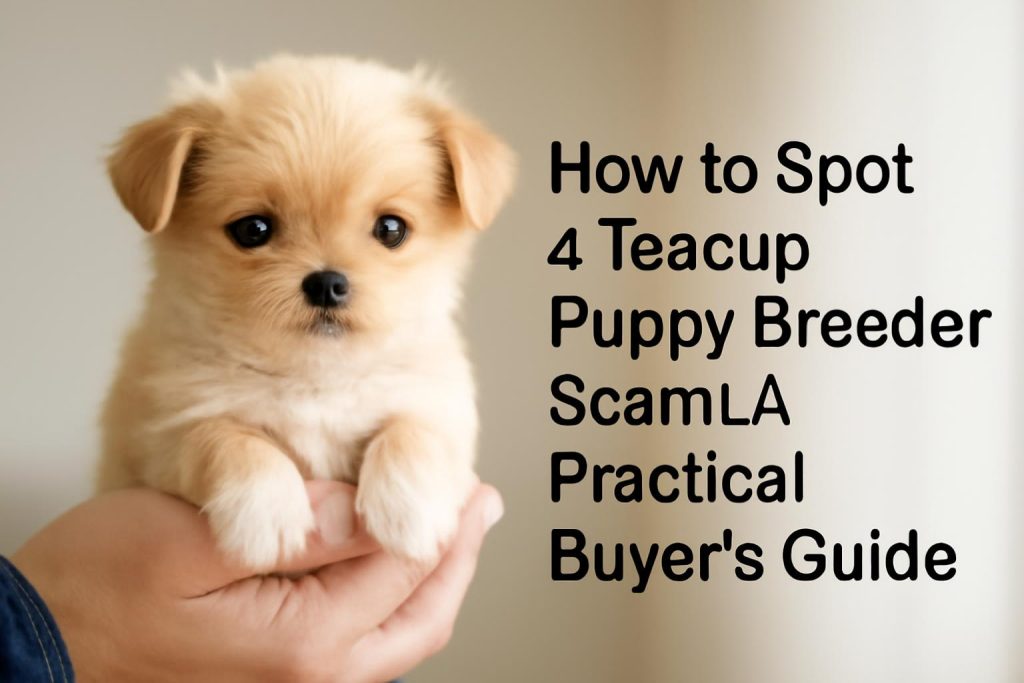
How to Spot a Teacup Puppy Breeder Scam: A Practical Buyer’s Guide
Oct
Searching for a teacup puppy online can be exciting, especially when you find an adorable photo and a short message promising quick delivery. Unfortunately, the same urgency and emotional appeal that attract loving families can also be used in a teacup puppy breeder scam.
Before you place a deposit or arrange transportation, take time to verify the puppy, the seller, the health information, and the terms of the transaction. This guide explains the most common warning signs and offers a practical process for finding a responsible small-dog breeder in the United States.
One important note: “teacup” is not a universally recognized breed category. It is often a marketing term for an unusually small dog. A responsible seller should discuss the puppy’s actual breed, expected adult size, parent health, and potential risks rather than making unrealistic promises about an extremely tiny adult weight.
Why teacup puppy scams are common
Scammers often target buyers who are searching for phrases such as “teacup puppies for sale,” “teacup puppies for sale near me,” or “teacup puppies for sale online.” These searches can lead to legitimate businesses, private breeders, brokers, shelters, or fraudulent websites. A polished website alone does not prove that the puppy or seller is genuine.
Small puppies may also require additional care because of their size. They can be vulnerable to low blood sugar, injury, temperature changes, and feeding difficulties. That makes it especially important to confirm that a puppy has been raised appropriately and is ready to leave its mother.
A trustworthy seller should welcome reasonable questions, provide consistent information, and encourage veterinary care. Pressure, secrecy, and demands for unusual payments are much more concerning than a slightly higher purchase price.
15 warning signs of a teacup puppy breeder scam
1. The price is unusually low
A very low price may be used to attract a large number of inquiries quickly. The initial amount may later be followed by unexpected charges for a crate, insurance, special shipping, vaccines, permits, or emergency transportation. Ask for a complete written cost breakdown before making any payment.
2. The seller creates intense urgency
Be cautious when someone says you must pay within minutes to “hold” the puppy, or claims that several buyers are waiting without providing a reasonable reservation policy. A responsible breeder may have genuine interest from other families, but should still give you time to make an informed decision.
3. The puppy cannot be seen live
Photos can be copied from other websites and social media accounts. Ask for a live video call showing the puppy, the person selling it, and the environment where the puppy is being raised. During the call, request a simple, current action—such as showing the puppy walking or holding a piece of paper with the date—to help confirm that the images are not reused.
A video call is not a complete guarantee, but refusal to provide any live interaction is a serious warning sign.
4. Photos appear inconsistent
Look carefully at lighting, flooring, collars, markings, background furniture, and the puppy’s apparent age. If the same puppy appears at different sizes or in unrelated locations, ask for an explanation. You can also use image-search tools to see whether a photo appears on multiple unrelated websites.
5. The seller avoids specific health records
Statements such as “100% healthy,” “vet checked,” or “comes with papers” are not substitutes for records. Ask for the puppy’s veterinary examination details, vaccination and deworming history, identification information, and any available health testing for the parents.
Records should be consistent with the puppy’s age. Your own veterinarian should review the information after the puppy arrives.
6. The puppy is too young to go home
A seller who offers a very young puppy for immediate pickup or delivery may be prioritizing a quick sale over proper development. Puppies need time with their mother and littermates to learn social skills and transition safely to solid food. Ask for the puppy’s exact birth date and why the proposed go-home date is appropriate.
7. The seller promises an exact adult weight
No ethical breeder can guarantee an exact adult weight. Genetics, nutrition, health, and development all influence size. Be cautious of claims that a puppy will remain below a precise number or that being exceptionally small automatically means the puppy is healthier or more valuable.
8. There is no clear return or contract policy
A written agreement should explain the purchase price, deposit terms, health disclosures, registration information if applicable, transportation responsibilities, and what happens if the puppy becomes ill or you can no longer keep it. A responsible breeder should care where the dog goes and should be willing to discuss rehoming or return procedures.
9. Payment is requested through unusual methods
Be careful with requests for gift cards, cryptocurrency, wire transfers to unrelated individuals, or payment apps that offer little buyer protection. A seller who changes payment details at the last minute may have experienced an account takeover or may be attempting fraud. Confirm payment instructions through a trusted phone number or secure written agreement.
10. The contact information does not match
Check whether the seller’s name, phone number, email address, business name, social media accounts, and payment recipient are consistent. A mismatch does not always prove fraud, but it deserves an explanation before you proceed.
11. The seller refuses an in-person visit or independent verification
Some responsible breeders may use carefully managed visits for health or safety reasons, but they should still offer a credible way to verify their identity and the puppy’s care. Ask whether you can meet the puppy in person, speak with a veterinarian, or receive references from previous families. Refusal to answer basic verification questions is concerning.
12. The listing contains copied or generic language
Scam listings often use the same wording for multiple breeds, genders, and locations. Watch for exaggerated phrases, inconsistent names, poor grammar combined with urgent demands, or descriptions that do not match the puppy shown.
13. The seller claims to ship anywhere immediately
Safe transportation requires planning, appropriate documentation, and attention to temperature and travel conditions. Be cautious when a seller promises same-day delivery across the country without asking about your location, weather, airline policies, or the puppy’s veterinary needs.
14. The breeder has many unrelated puppies always available
A constantly changing inventory of numerous breeds and ages may indicate a broker or commercial operation rather than a breeder who knows each puppy’s history. Brokers are not automatically fraudulent, but you should clearly identify who raised the puppy, where it is located, and who is responsible for the health information.
15. The seller discourages questions
A responsible breeder should expect questions. If you are told that asking about health, parents, records, or living conditions is disrespectful, move on. Your questions protect both you and the puppy.
How to verify a small-dog breeder before paying
Start with the breeder’s identity
Request the seller’s full name, business name, physical location, phone number, and a written contract. Search for the business name alongside terms such as “complaint,” “review,” and “scam.” Do not rely only on testimonials displayed on the seller’s own website.
Look for a consistent history over time rather than a recently created social media profile. Be wary of websites that use stock photos, copied breed descriptions, or multiple locations without explaining the relationship between them.
Confirm the puppy’s history
Ask for the names and breeds of both parents, their approximate adult sizes, and any known health conditions. For breeds such as Maltese, Pomeranians, Yorkies, Chihuahuas, Poodles, and Shih Tzus, responsible breeders should be able to discuss breed-specific concerns and routine preventive care.
Ask how the puppy has been socialized, what food it currently eats, whether it has been exposed to household sounds, and how the breeder handles exercise and rest. Vague answers may indicate that the seller does not have firsthand knowledge of the puppy.
Review records with your veterinarian
Before purchase, ask for copies of available records and provide them to a veterinarian for review. After bringing the puppy home, schedule an examination promptly. A veterinary visit can help identify dehydration, parasites, congenital concerns, low body condition, or other issues that may not be obvious in photographs.
Never use a breeder’s health guarantee as a reason to delay medical care. Read the contract carefully and understand its deadlines, required examinations, and exclusions.
Questions to ask a puppy breeder before buying
- What is the puppy’s exact birth date and current weight?
- Where was the puppy raised, and can I see that environment by live video or in person?
- Can I meet or receive information about both parents?
- What veterinary examinations, vaccines, and deworming has the puppy received?
- What food is the puppy eating, and what feeding schedule should I follow?
- What health concerns are common in this breed or family line?
- When may the puppy safely go home?
- What is included in the purchase price, and are there additional transportation costs?
- Will I receive a written contract and copies of medical records?
- What happens if my veterinarian finds a serious problem?
- Will you take the dog back or help with rehoming if circumstances change?
Write down the answers and compare them with the contract. Inconsistent answers are a reason to pause rather than proceed.
How to shop more safely online
Use a checklist and avoid making decisions based only on a puppy’s appearance. Save screenshots of the listing, messages, payment instructions, contract, and health records. Confirm the seller’s phone number independently before sending money, especially if payment instructions change.
When reviewing available puppies, begin with the site’s Teacup Puppies Official home page and compare listing information with the seller’s stated policies. You can also browse the available puppy product listings and review the site’s published puppy guides before contacting a seller. These steps do not replace independent verification, but they can help you understand what information should be available.
For additional purchase-planning information, read the website’s site pages and buyer resources. A trustworthy transaction should include clear communication, realistic expectations, and a written record of what has been promised.
What to do if you suspect a puppy scam
Stop communicating and do not send additional money while you investigate. Save all messages, receipts, phone numbers, website addresses, photographs, and account information. Contact your bank or payment provider immediately to ask whether a transaction can be stopped or disputed.
If you believe fraud occurred, report it to the appropriate consumer-protection agency and the platform where the listing appeared. If a puppy is involved and you are concerned about its welfare, contact local animal-control or law-enforcement authorities. Do not attempt to recover money by sending further “release” or “refund” fees.
Frequently asked questions
Are all online teacup puppy listings scams?
No. Some legitimate breeders and pet businesses advertise online. However, online listings require careful verification because photos, testimonials, and business details can be copied. Treat every listing as unverified until the seller provides consistent evidence.
Is a video call enough to prove a breeder is legitimate?
No. A live call is useful, but it is only one verification step. Also review records, contract terms, identity details, location, payment practices, and the puppy’s history. When possible, use an independent veterinary examination.
Should I pay a deposit to reserve a puppy?
A deposit may be part of a legitimate transaction, but it should be covered by a written agreement that explains whether it is refundable and what happens if the seller cannot provide the puppy. Do not pay before confirming the seller’s identity and receiving clear terms.
What is the safest way to buy a very small puppy?
Choose transparency over speed. Verify the puppy’s age and health records, ask about the parents, use a secure and documented payment method, and arrange a veterinary examination soon after arrival. Consider adoption or a small, healthy toy-breed puppy rather than prioritizing the smallest possible size.
Final checklist before you commit
- I have spoken with the seller by phone or live video.
- I know where the puppy was raised.
- I have verified the birth date and received appropriate records.
- I understand the puppy’s expected size without an unrealistic guarantee.
- I have reviewed a written contract and all costs.
- I know the payment recipient and have avoided high-risk payment methods.
- I have a veterinary appointment planned.
- I am not being pressured to decide immediately.
A small puppy should begin life with careful breeding, proper socialization, and honest communication. Taking an extra day to verify the details can protect your finances and help you bring home a healthier, better-prepared companion.
